
I recently appeared on Joy Purdy’s podcast, Discover the Joy, to share a personal turning point that quietly reshaped my approach to leadership and care.
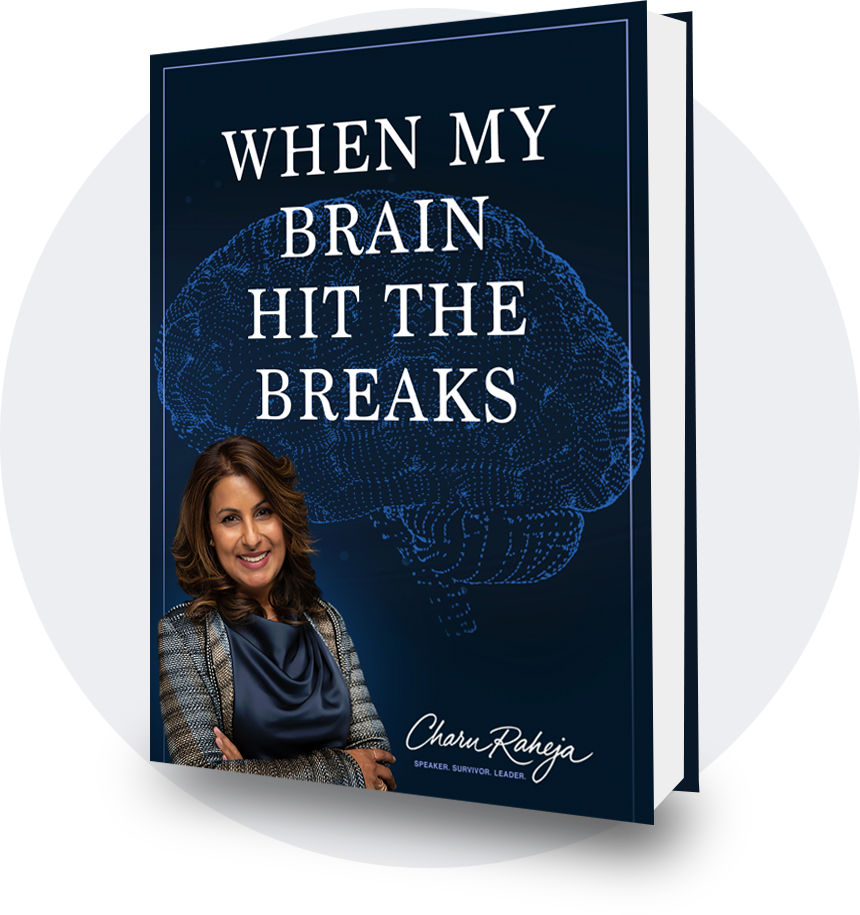
At 40, I had a stroke. I woke up unable to speak English. Memories I’d carried my whole life were simply gone. I didn’t know who I was, let alone how to run a company. I went from being the leader of TriageLogic to relearning how to put sentences together.
That kind of loss changes you. But what surprised me most was what came after.
Going through that experience as a patient gave me a perspective I never could have found any other way. I felt firsthand what it’s like to be confused, scared, and unsure whether what you’re feeling is serious. And I realized that uncertainty—that gap between “something feels wrong” and “I know what to do about it”—is exactly where people fall through the cracks in our healthcare system.
Some rush to the ER when they don’t need to. Others wait too long when they should have acted sooner. Both can have serious consequences.
That realization has continued to shape everything we do at TriageLogic. Our work is built around filling that gap through nurse-led triage that meets patients before panic sets in, structured clinical protocols that point people to the right level of care, and technology that gives patients real-time guidance when they need it most. We’ve made it a priority to bring these tools to communities that have historically had the least access to health care.
I also shared something more personal in that conversation—losing my father to a cardiac event that went undetected. That loss never leaves you, and it reinforced something I already believed: earlier access to clinical guidance saves lives. It’s not a theory. It’s something I’ve seen and lived.
What I hope comes through in my discussion with Joy is the idea of letting the hard things mean something and using what you’ve been through to make life better for the people who come after you.
That’s what drives me. That’s what drives TriageLogic.